


Is Tianeptine a Nootropic or an Antidepressant?
In online forums, research laboratories, and biohacking communities, tianeptine occupies a strange, dual identity. Depending on where you look, it is either labeled as a potent smart drug or a clinically prescribed prescription medication.
This raises an important pharmacological question: Is tianeptine a nootropic or an antidepressant?
The short answer is that it is structurally and historically an antidepressant, but its unique mechanism of action gives it distinct neuroprotective properties that closely mimic the goals of a nootropic. However, because of how it interacts with the brain, classifying it under a single label can be misleading.
To understand where this compound truly fits, we have to look at the clinical history, the neurological data, and the real-world experiences reflected in various tianeptine reviews.
Historically and legally, tianeptine is an antidepressant (Cit. 1). Developed in France by the French Society of Medical Research in the 1970s, it was brought to market under brand names like Stablon and Coaxil.
In dozens of countries throughout Europe, Asia, and Latin America, tianeptine is officially approved as a prescription drug to treat major depressive disorder (MDD) and persistent anxiety.
Traditional antidepressants, like SSRIs (Prozac, Zoloft), operate on the “monoamine hypothesis”—the idea that depression is caused by a chemical deficiency in neurotransmitters like serotonin, dopamine, or norepinephrine (Cit. 2). Tianeptine challenges this traditional model entirely:
A nootropic is strictly defined as a substance that enhances memory, focus, and cognitive function without causing significant toxicity or severe side effects. While tianeptine’s safety profile is highly controversial, its secondary mechanisms of action align perfectly with nootropic theory.
When researchers study tianeptine products, they frequently focus on how the compound protects the brain from the structural damage caused by chronic stress.
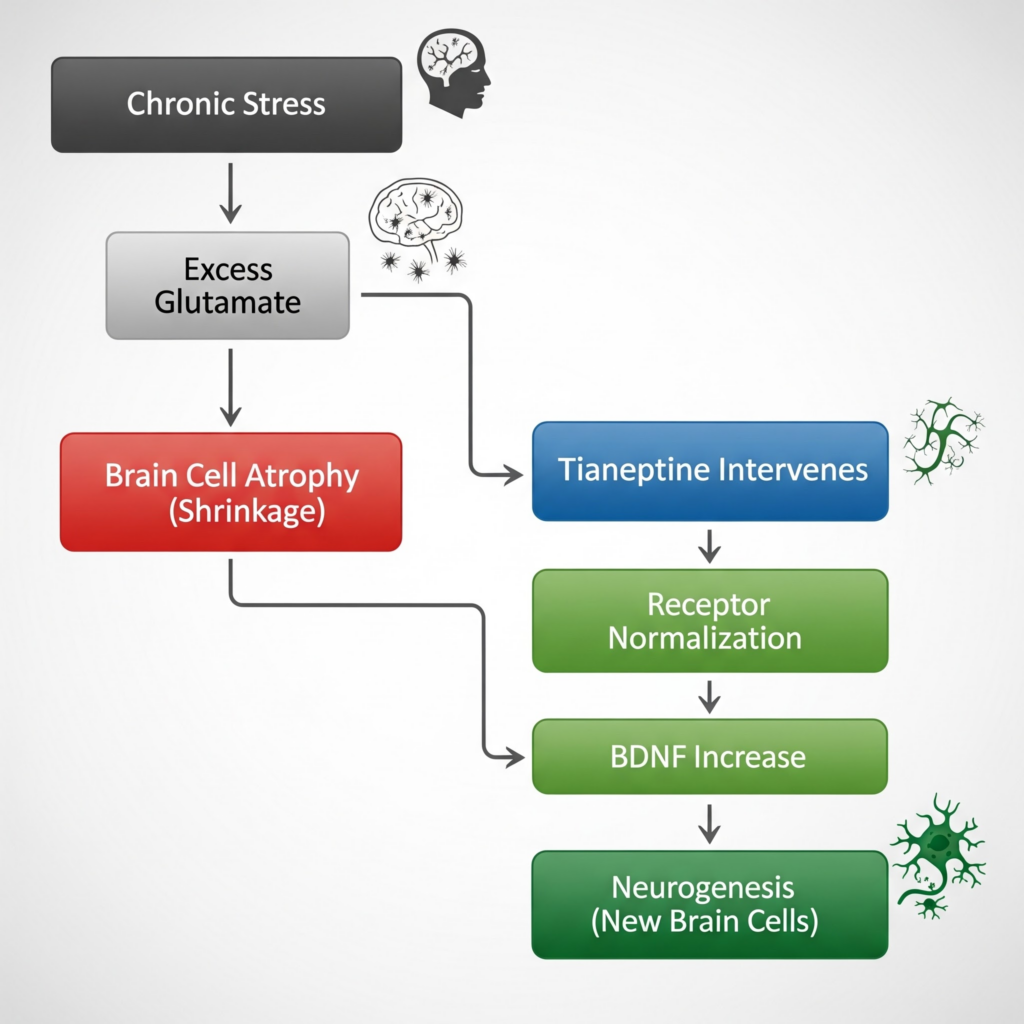
When a person is under chronic stress, the brain is flooded with glutamate, the primary excitatory neurotransmitter. Too much glutamate leads to neurotoxicity, causing the dendrites (the communication branches of brain cells) in the hippocampus and prefrontal cortex to shrink and wither (Cit. 4). This results in brain fog, memory loss, and a decreased ability to learn.
Tianeptine directly mitigates this. It normalizes glutamate baseline levels and modulates AMPA and NMDA receptors. By doing so, it acts as a molecular shield, preventing stress from physically shrinking the brain’s cognitive centers.
Tianeptine has been shown to upregulate the expression of BDNF, often referred to as, “fertilizer for the brain,” (Cit. 5). BDNF promotes neurogenesis—the birth of new neurons—and improves neuroplasticity, allowing the brain to forge new pathways, process information faster, and adapt to new environments.
For someone experiencing cognitive deficits due to stress or anxiety, this mechanism provides a noticeable boost in mental clarity and processing speed, which is why it is often categorized as a nootropic.
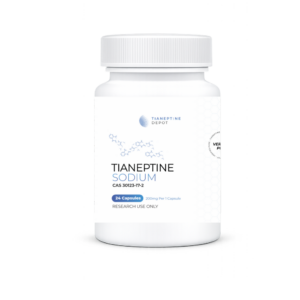
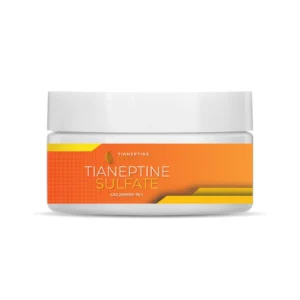
The specific effects of tianeptine also depend on the chemical form being studied. Different tianeptine products alter how quickly the substance enters the bloodstream and hits the brain, drastically impacting whether the experience feels more like a sudden mood shift or a steady cognitive baseline.
If you read through anecdotal tianeptine reviews, you will see a fierce debate that perfectly highlights its dual identity.
The Nootropic View: Many users write reviews praising the compound for completely lifting severe brain fog. They report a restored ability to focus on complex tasks, increased verbal fluency, and a calm, quiet mind that allows them to work efficiently under pressure.
The Warning Labels: Conversely, a massive wave of reviews warns of the dark side of the compound. Because it touches the opioid system, users who escalate their doses beyond standard medical limits quickly develop tolerance (Cit. 7). What started as a tool for focus turns into physical dependence, followed by severe, painful withdrawal symptoms when stopping.
Ultimately, tianeptine cannot be neatly stuffed into a single box.
Legally and clinically, it is an atypical antidepressant with a highly complex mechanism of action (Cit. 8). Functionally, at low, regulated doses, it exhibits strong nootropic benefits by enhancing neuroplasticity, boosting BDNF, and shielding the brain from stress-induced cognitive decline.
However, calling it a pure nootropic overlooks its pharmacological reality. Because it acts on opioid receptors and carries a high potential for abuse and regulatory restrictions (including FDA bans on selling it as a dietary supplement), it requires a level of caution that standard, non-addictive nootropics (like L-Theanine or Lion’s Mane) do not (Cit. 9).
It is a powerful neurological tool—one that requires an exact understanding of its chemistry, its risks, and its legal boundaries.